Corporación Británica Continuó Traficando Africanos Esclavizados a Guyana 40 Años Después de la Abolición
A British corporation, Sandbach, Tinne and Company, linked to powerful families who received substantial compensation after the abolition of slavery, has been found to have continued the illegal trafficking of enslaved Africans to Guyana for over 40 years after its official prohibition. This discovery, detailed in the book "Searching for My Slave Roots" by Malik Al Nasir, sheds light on the enduring financial networks that profited from enslavement.
Evidence suggests that despite the Slave Trade Act of 1807 and the Slavery Abolition Act of 1833, Sandbach Tinne and Company illegally transported enslaved people, including young children, to Demerara, Guyana. An 1847 letter from Peter Miller Watson, who managed the company's interests in Guyana, explicitly refers to a ship from the company's fleet arriving with a "cargo of negroes," detailing the number of adult males, adult females, and children aboard, along with casualties during the voyage.
Malik Al Nasir argues that Watson's description of the individuals as "cargo" and the reference to their "wretched state" ashore strongly indicate they were illegally trafficked, as liberated Africans were not considered cargo and blame for ill health would have fallen on former masters, not the enslaved themselves. The language used suggests a loss of property rather than concern for human lives.
Sandbach, Tinne and Company was a family business of the Sandbach and Tinne families, who, along with their associates and relatives in the Gladstone family, were prominent in the Demerara sugar trade. By 1847, the company and its subsidiaries had already received significant compensation for the "loss" of enslaved people. Notably, John Gladstone, father of William Gladstone, received the largest individual payout, while Sandbach Tinne received the second largest in aggregate. British taxpayers only finished paying off the compensation debt to enslavers in 2015.
While the 1823 Demerara uprising, initiated on a plantation owned by John Gladstone, was a critical event in the abolitionist movement, evidence suggests that unregulated slave trading persisted. Missionary accounts from 1847 describe the continued trafficking of enslaved people from countries south of the equator, evading the Royal Navy's blockade. Although the West Africa Squadron was tasked with intercepting slavers' ships, it is estimated that fewer than 10% were successfully intercepted. Even when captured, "liberated Africans" often faced military conscription or harsh, unpaid labor under apprenticeship and indentured labor systems.
The research by Malik Al Nasir and Lucy Moynihan into John Gladstone's insurance "risk books" has inspired the "Overwriting-Underwriting" project, which aims to uncover the financial networks behind enslavement. This initiative is a pilot for the Connector project, supported by a £1 million grant from Lloyd's Register Foundation, to deepen understanding of the legacies of transatlantic slavery. Descendants of both the Sandbach and Gladstone families have since apologized for their ancestors' involvement in slavery.
Novedades — Noticias voleibol playa

El presidente de la FIFA, Infantino, "debe irse", dice el exjefe de la UEFA, Platini
El exfutbolista francés Michel Platini ha declarado que el presidente de la FIFA, Gianni Infantino, "debe irse" tras los escándalos que han rodeado al organismo rector del fútbol y que han conmocionado el deporte a nivel mundial. "Los asuntos económicos son una cosa, pero Infa

Hallan cuerpo de recién nacido en contenedor de basura en Sídney; preocupan por la madre
La policía de Nueva Gales del Sur ha solicitado información para dar con el paradero de la madre de un bebé recién nacido. El cuerpo del pequeño fue descubierto en un contenedor de basura en Auburn, al suroeste de Sídney, la mañana del lunes. Los servicios de emergencia acudieron a Harrow R

Avance histórico: Turkmenistán comienza a reparar mega fugas de metano
Según los últimos datos de la ONU, Turkmenistán ha comenzado a sellar las mega fugas de metano que emanan de sus anticuadas instalaciones de petróleo y gas, un hecho que ha sido celebrado como un avance significativo. El metano, también conoci
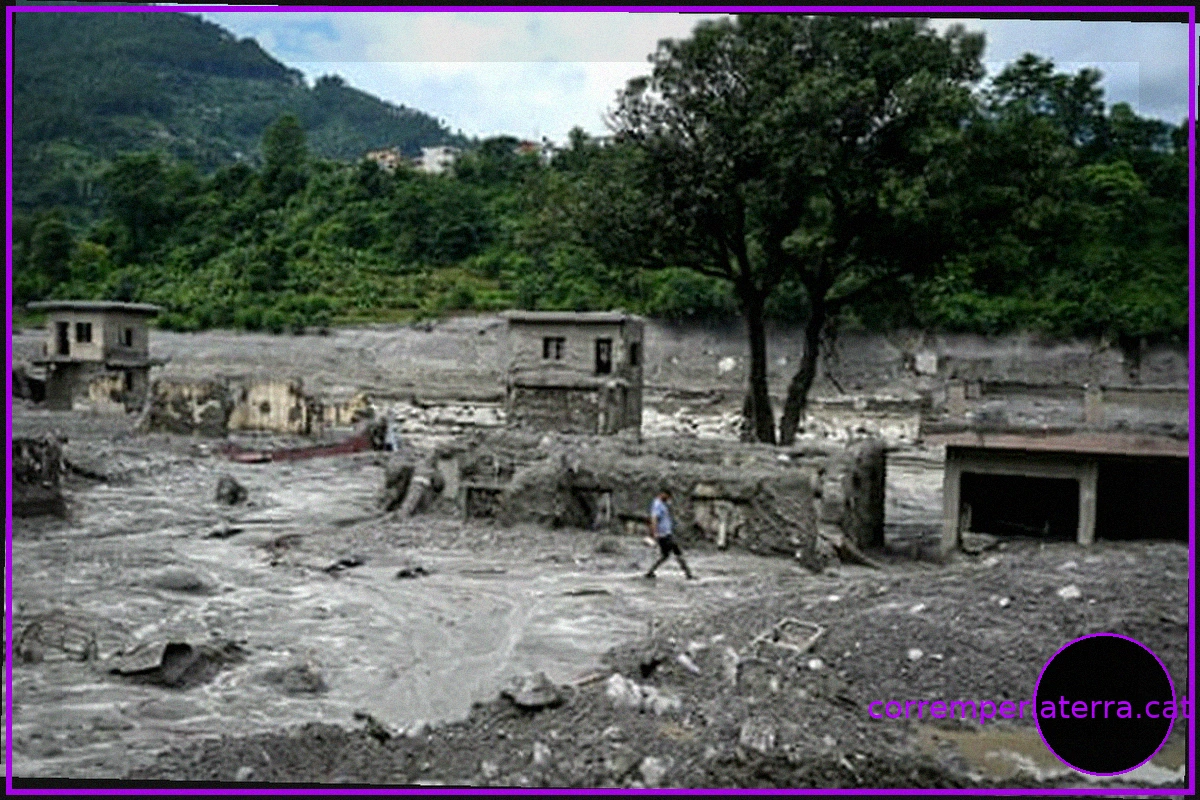
Noticias de Australia: El número de australianos desaparecidos en Nepal aumenta a 43
El número total de ciudadanos australianos que se encuentran desaparecidos tras las mortales inundaciones en Nepal ha ascendido a 43. El Ministerio de Asuntos Exteriores ha recibido más de 650 llamadas relacionadas con esta catástrofe. Las autoridades de Nepal y China confirmaron el dom

Inicio del recuento de votos en referéndum de Guinea-Bisáu para fortalecer la presidencia
Diez meses después de un golpe de estado, los líderes militares afirman que el referéndum está diseñado para estabilizar futuros gobiernos civiles. En Guinea-Bisáu, se ha iniciado el escrutinio de los votos de un referéndum que podría aumentar significativamente
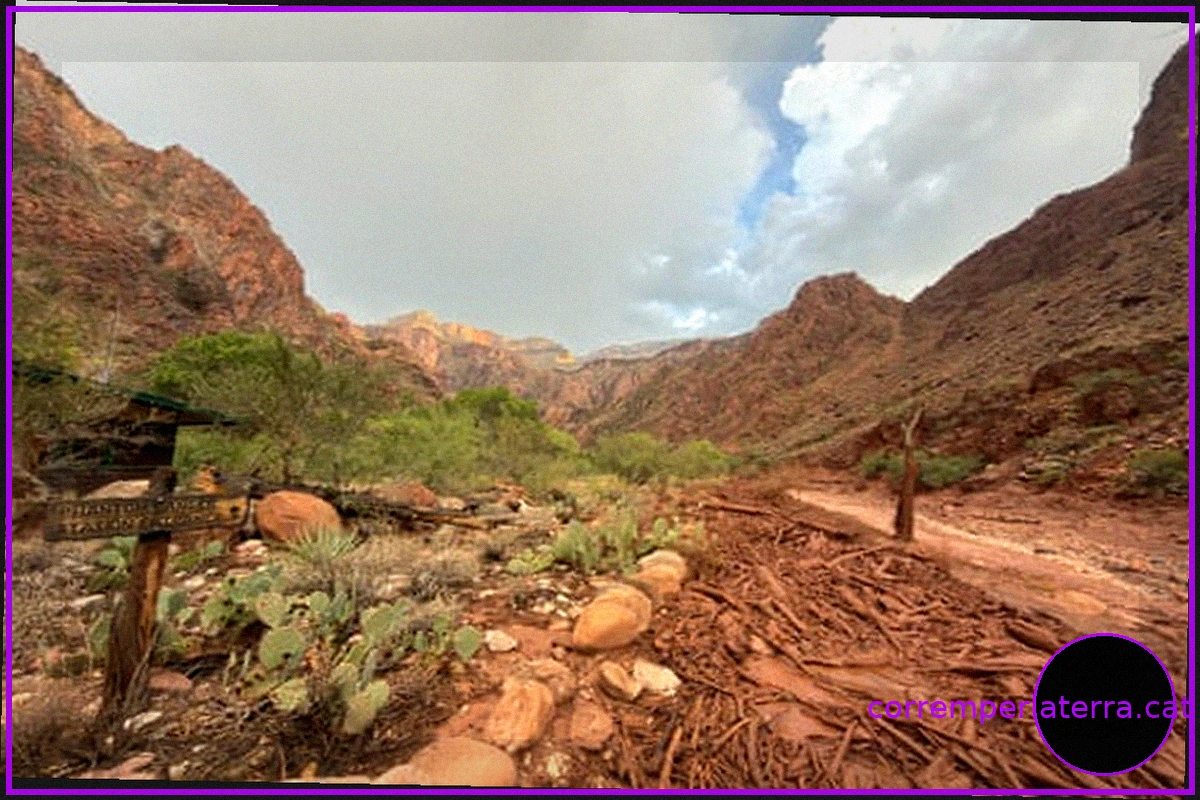
Al menos 15 personas podrían estar desaparecidas tras inundación repentina en el Gran Cañón de Arizona
Una importante inundación repentina que azotó el Parque Nacional del Gran Cañón en Arizona el sábado por la tarde podría haber dejado al menos a 15 personas desaparecidas o sin localizar, según informó el Servicio de Parques Nacionales. El evento de inundación repentina ocurri